Lambda MicroVMs: On-Demand Stateful Compute
AWS is marketing Lambda MicroVMs as sandboxes for untrusted code. But the real story is broader: instant-on stateful environments that fill a gap between Lambda and Fargate.
Read more →Insights on AWS architecture, multi-tenant SaaS, cost optimization, and cloud security
AWS is marketing Lambda MicroVMs as sandboxes for untrusted code. But the real story is broader: instant-on stateful environments that fill a gap between Lambda and Fargate.
Read more →
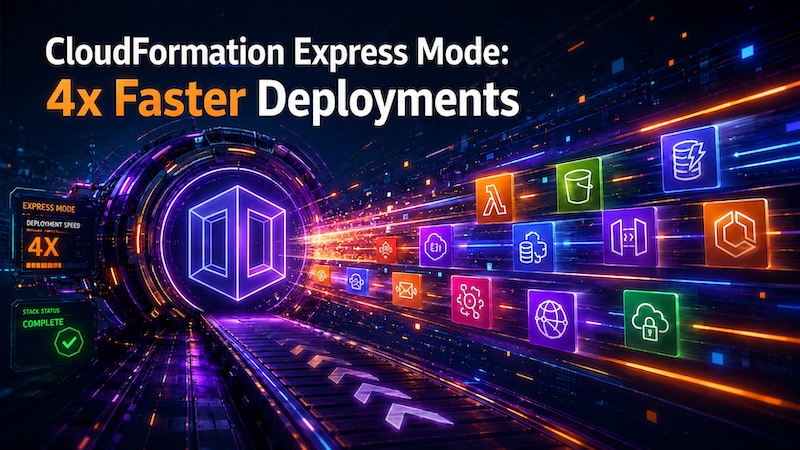
CloudFormation Express mode skips stabilization checks and completes when resource configuration is applied. For iterative development and CDK workflows, this changes everything.
Read more →
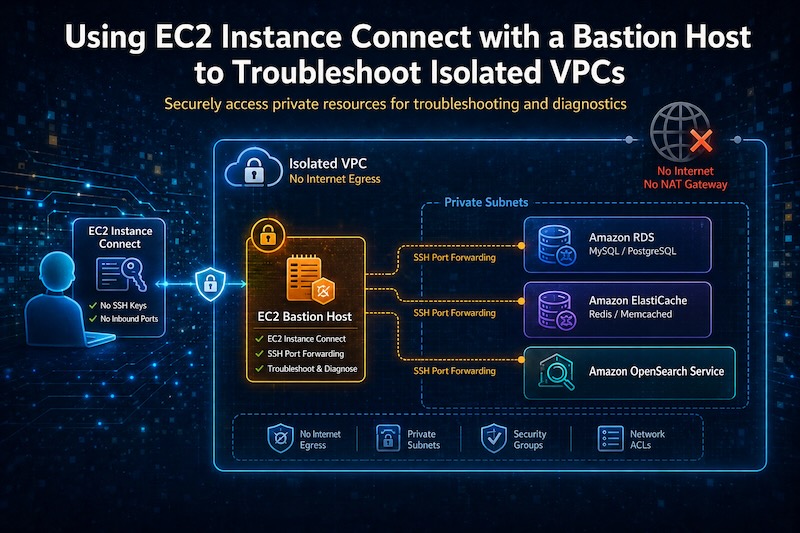
How to use EC2 Instance Connect Endpoint and SSH port forwarding to reach private databases, Redis, and OpenSearch clusters without opening your VPC to the internet.
Read more →
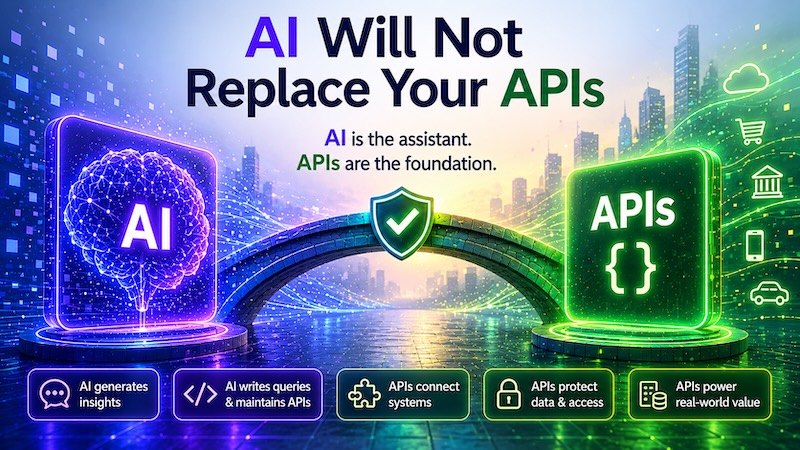
Architects and CEOs keep proposing that we replace traditional APIs with natural language prompts. The math doesn't work. AI inference is 10-100x slower and 1000x more expensive than a deterministic endpoint. We already have OData and GraphQL for flexible queries. AI belongs in the build process, not the request path.
Read more →
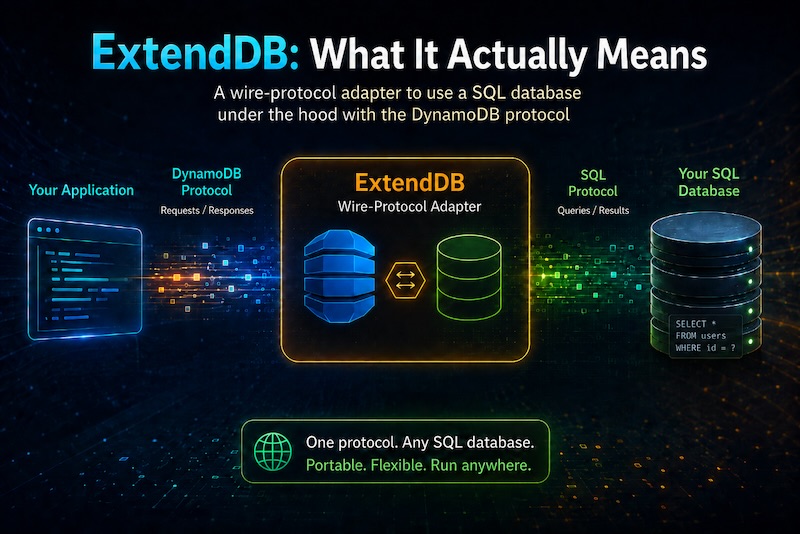
AWS released ExtendDB, an open-source DynamoDB wire-protocol implementation backed by PostgreSQL. It's not a replacement for DynamoDB — but it might finally kill DynamoDB Local.
Read more →
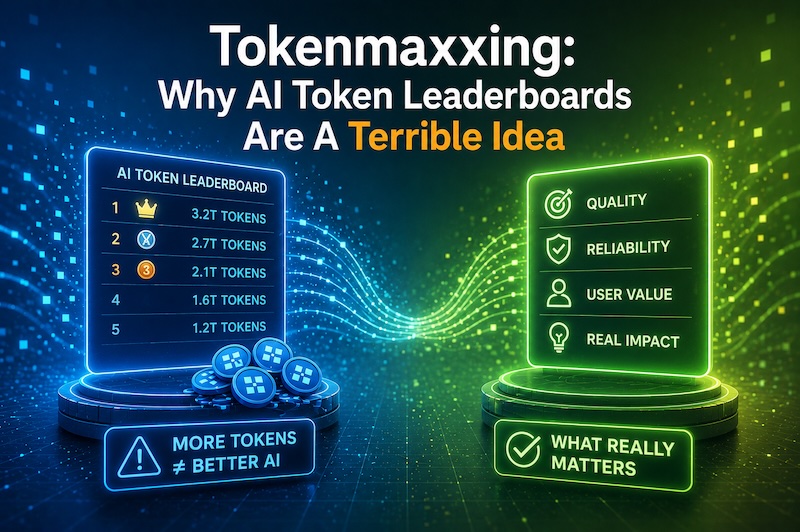
Uber burned a year of AI budget in four months. Meta ranks employees by token consumption. Amazon engineers run pointless tasks to climb leaderboards. Token counting is the lines-of-code metric of the AI era, and it's already backfiring.
Read more →
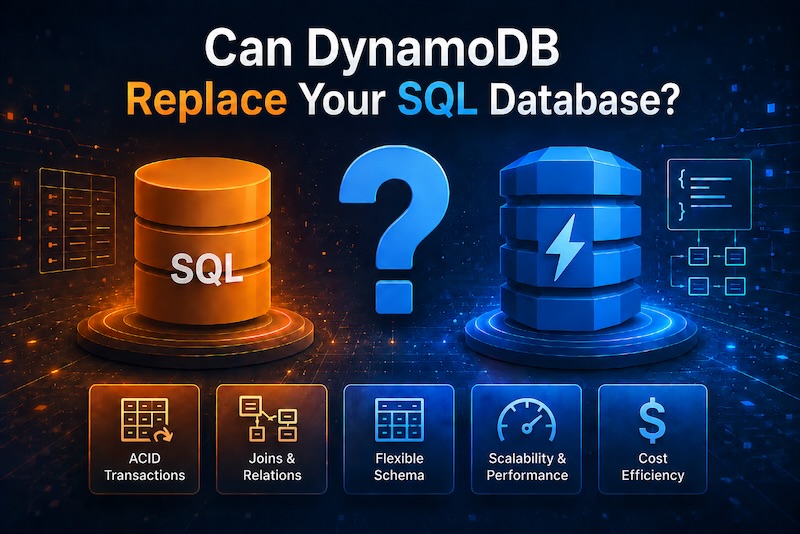
A practical framework for evaluating whether your relational workload can move to DynamoDB. When sort keys replace joins, when they can't, and the access patterns that make the decision obvious.
Read more →
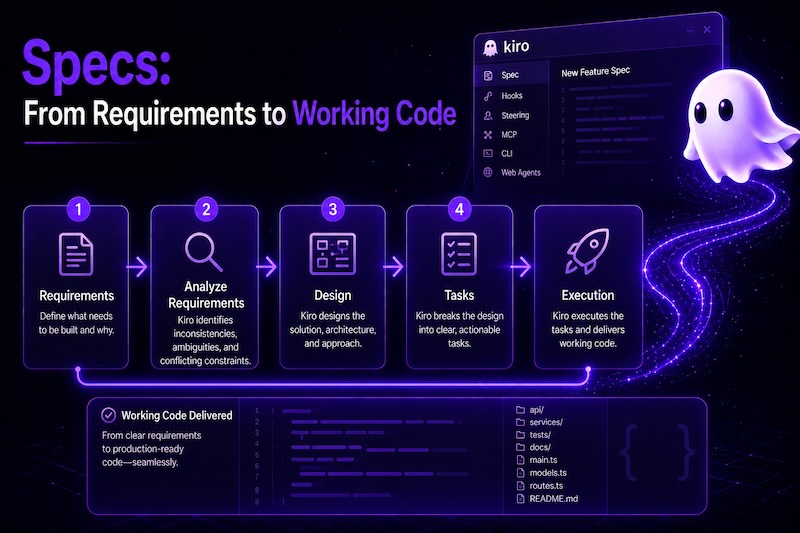
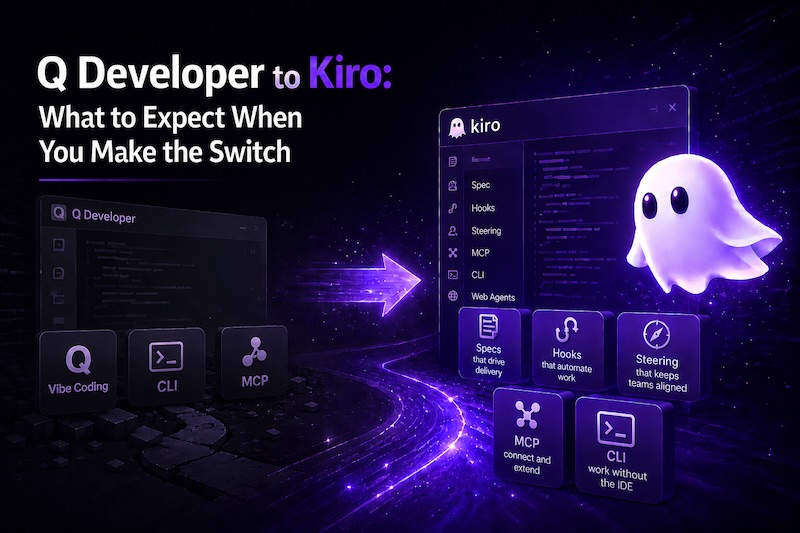
Amazon is sunsetting Q Developer IDE plugins and pointing everyone to Kiro. Here's what actually changes, what carries over, and what's better on the other side.
Read more →
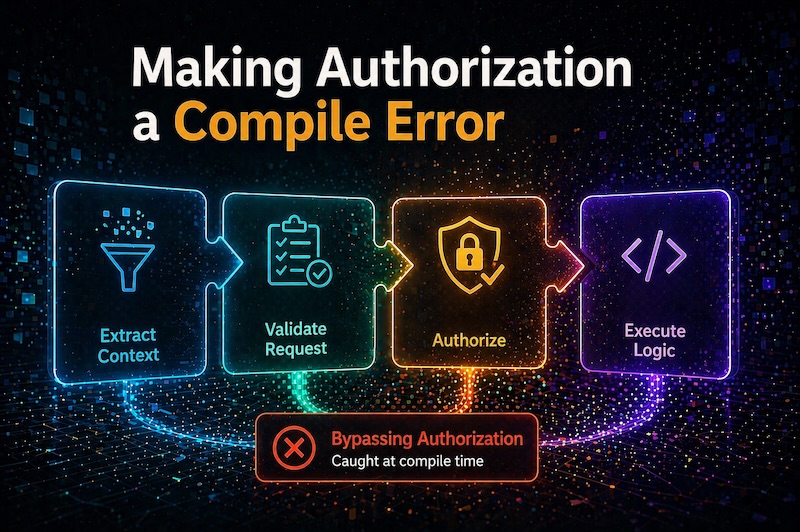
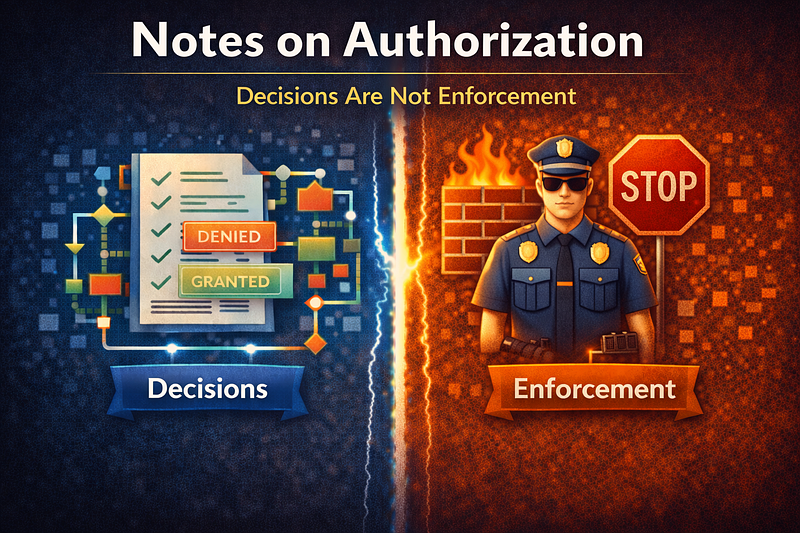
Most frameworks treat authorization as middleware you hope someone remembers to add. We built a two-phase pipeline in C# where skipping authorization is a compiler error, not a code review finding.
Read more →
We built an entire multi-tenant SaaS platform on .NET with a hard no-reflection rule. Here's what that constraint forced us to build, what we had to give up, and why we'd do it again.
Read more →
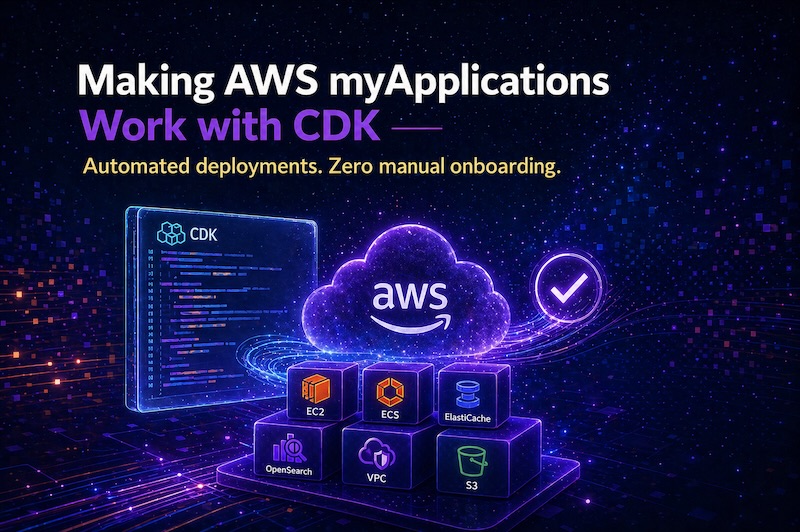
AWS myApplications expects you to onboard through the console. Here's how we got it working in a fully automated CDK pipeline across 20+ microservices, and every approach that failed along the way.
Read more →
How Native AoT compilation and Graviton processors can cut .NET Lambda cold starts in half, what tradeoffs to expect, and how to set up the build pipeline.
Read more →
How steering files, code review checklists, and hooks let an AI coding assistant maintain consistency across a large microservice platform - and why the defaults aren't enough.
Read more →
NAT Gateways provide convenience. VPC Endpoints provide isolation. Understanding the difference changes how you design private networks on AWS.
Read more →
How We Stopped Letting API Gateway Control Our Architecture
Read more →
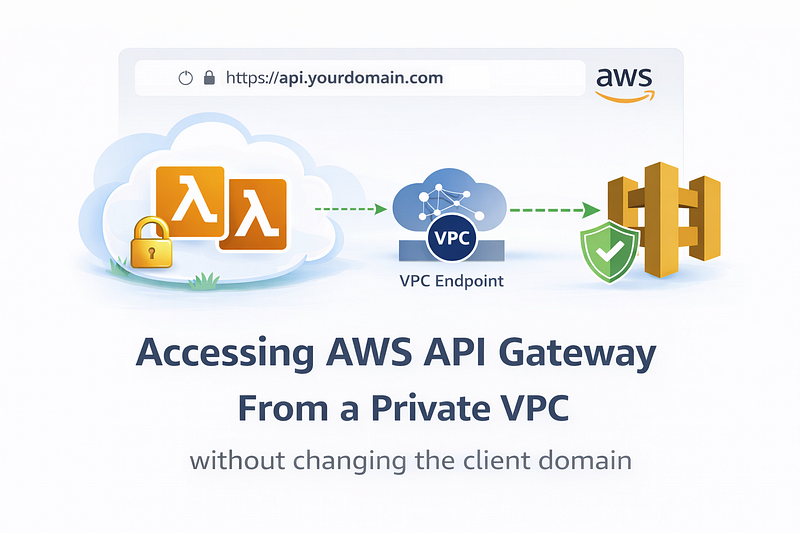
How to call a public API Gateway custom domain from a private VPC without NAT, and why most suggested solutions fail.
Read more →
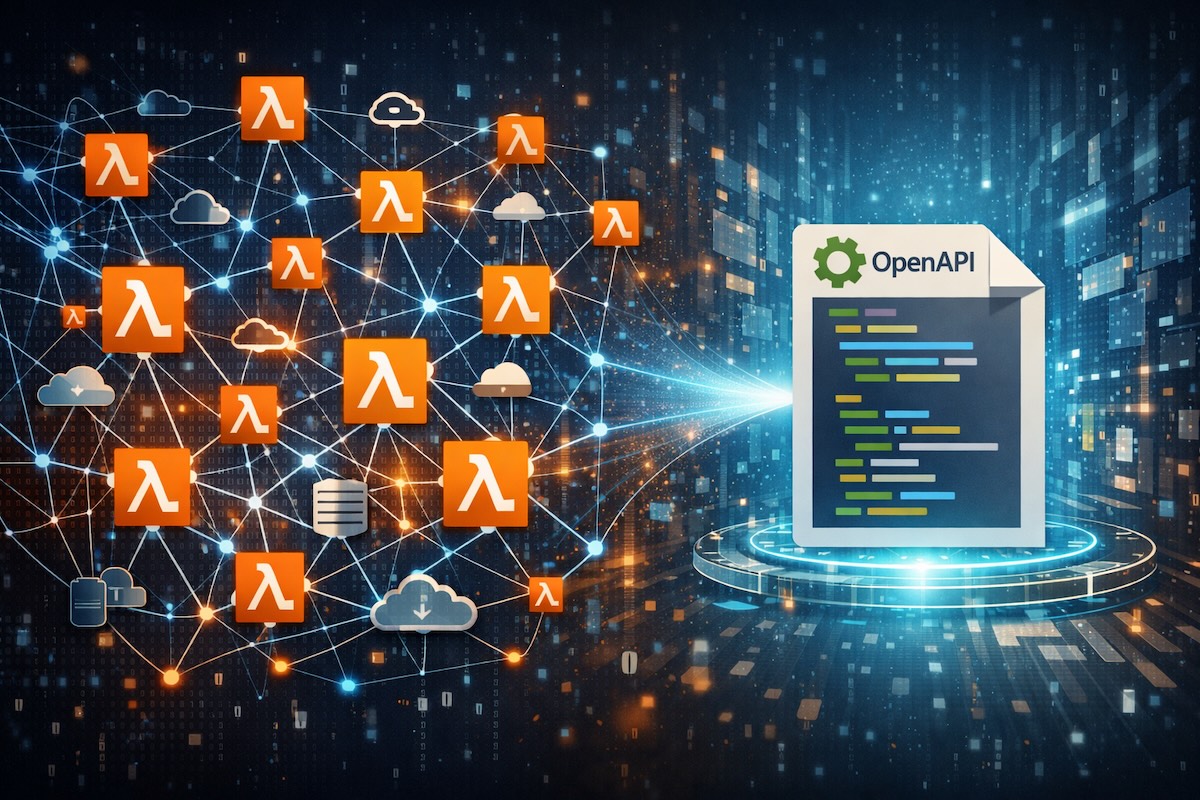
How to consolidate OpenAPI specs from multiple Lambda Annotation projects into a single API contract, and why serverless APIs need a different approach to documentation.
Read more →Lambda Annotations is a small but very useful library in the AWS .NET ecosystem. It doesn’t try to mimic ASP.NET routing, and it doesn’t run a web framework inside Lambda. Instead, it makes single-operation Lambdas far cleaner to write.
Read more →A brief overview of how FluentDynamoDB grew from early prototypes into its current form.
Read more →Tell me about your challenges and I'll reply within a business day.